
"equatorial regions"
400 article(s) found

Introduction to the treatment method of planting and Development History of Peruvian single Bean Flavor description
For the exchange of professional baristas, please pay attention to the coffee workshop (Wechat official account cafe_style) Peru Peruvian population: 30475000 except for the main areas listed below, the output quality of a few other producing areas is low and not up to the recognized level. Some people may argue that Peru can cope well with warming climate change and that there is a lot of land at high elevations.

Kenya Jinchu Valley Coffee Flavor Taste Manor Production Characteristics Boutique Coffee Bean Introduction
Purple-breasted Buddhist monk (Coracias caudatus), feathers are blue and green, Kenya's national bird Purple-breasted Buddhist monk Kenya's national bird Purple-breasted Buddhist monk chest is purple, bright and beautiful, and feeds on insects. Birds\Buddhist Monks\Buddhist Monks\Buddhist Monks. Woodlands and savannahs of sub-Saharan Africa and southern Arabia. It is the national bird of Kenya and Botswana.

The growing period of picking coffee beans.
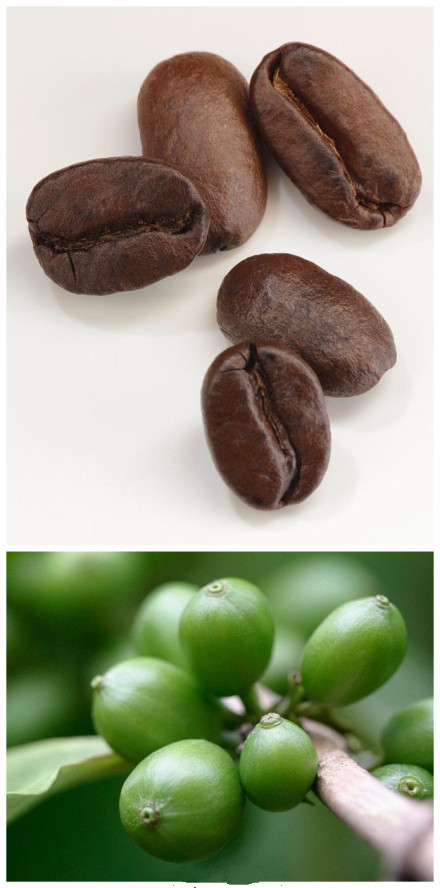
After 3 or 4 years of growth, the coffee tree matures and begins to bear fruit, and the fruit will be arranged in clusters or clustered together along the branches. The coffee beans we see are the seeds of the coffee tree. The outside of the seed is a layer of pericarp, with the maturity of coffee beans, the pericarp will change from green to red, as soon as it turns red, it can be harvested. The structure of coffee fruit is that there is a layer of pulp (mesocarp) under the exocarp.

Introduction to the taste grinding scale manor of the regional treatment of coffee beans in Guatemala
The volcano once destroyed the once-prosperous capital in an instant, robbing it of all its prosperity and beauty overnight. After this subversive mountain city, the splendor has disappeared for more than 200 years, and Antigua has never swaggered again. After being dull, Antigua is now run by the last remaining Indians. These hardworking and strong Indians became later

Coffee training knowledge chapter Coffee picking
Coffee trees usually blossom in 3-4 years, about 2-3 months a year, and their appearance and smell are similar to those of jasmine. when they bloom, they grow in clusters on the branches and bloom for 3-5 days. After the flowers bloom, they bear small green fruits, which ripen and turn red into ripe fruits that can be picked after a few months. The skin of ripe fruit is red. Because its shape and color are similar to cherries, ripe coffee fruit is called coffee cherry in many places.

Coffee training knowledge about Coffee picking
Coffee trees usually blossom in 3-4 years, about 2-3 months a year, and their appearance and smell are similar to those of jasmine. when they bloom, they grow in clusters on the branches and bloom for 3-5 days. After the flowers bloom, they bear small green fruits, which ripen and turn red into ripe fruits that can be picked after a few months. The skin of ripe fruit is red. Because its shape and color are similar to cherries, ripe coffee fruit is called coffee cherry in many places.
Coffee training knowledge chapter Coffee picking
Coffee trees usually blossom in 3-4 years, about 2-3 months a year, and their appearance and smell are similar to those of jasmine. when they bloom, they grow in clusters on the branches and bloom for 3-5 days. After the flowers bloom, they bear small green fruits, which ripen and turn red into ripe fruits that can be picked after a few months. The skin of ripe fruit is red. Because its shape and color are similar to cherries, ripe coffee fruit is called coffee cherry in many places.

Coffee roasting: what does coffee roasting mean? how do professional roasting cafes bake coffee?
Professional coffee knowledge exchange more coffee bean information please follow the coffee workshop (Wechat official account cafe_style) from the origin to the pot cup, the intermediary point most related to the smell of coffee in the journey is roasting. We plant coffee trees in the tropics, condensing the abundant equatorial sunlight into coffee beans, and then through the baking process, the grass-flavored wood is baked into caramel sweetness, milk and oil.

Starbucks Yunnan Coffee Story Yunnan small Coffee Cup testing the characteristics of hand-made Flavor and taste
Professional coffee knowledge exchange more coffee bean information please follow the coffee workshop (Wechat official account cafe_style) Fengwu Xiangyun Comprehensive Coffee maybe our partners will often hear about some coffee producing countries-Kenya, Indonesia and Guatemala, and so on. If you are careful, you will find an interesting phenomenon. These coffee-producing countries are located in the equatorial region between the Tropic of Cancer and the Tropic of Cancer.

Basic knowledge of Coffee picking of raw coffee beans
After 3 or 4 years of growth, the coffee tree matures and begins to bear fruit, and the fruit will be arranged in clusters or clustered together along the branches. The coffee beans we see are the seeds of the coffee tree. The outside of the seed is a layer of pericarp, with the maturity of coffee beans, the pericarp will change from green to red, as soon as it turns red, it can be harvested. The structure of coffee fruit is that there is a layer of pulp (mesocarp) under the exocarp.
When will the coffee fruit be picked?
Coffee trees usually blossom in 3-4 years, about 2-3 months a year, and their appearance and smell are similar to those of jasmine. when they bloom, they grow in clusters on the branches and bloom for 3-5 days. After the flowers bloom, they bear small green fruits, which ripen and turn red into ripe fruits that can be picked after a few months. The skin of ripe fruit is red. Because its shape and color are similar to cherries, ripe coffee fruit is called coffee cherry in many places.
Coffee training knowledge the picking of coffee trees
Coffee trees usually blossom in 3-4 years, about 2-3 months a year, and their appearance and smell are similar to those of jasmine. when they bloom, they grow in clusters on the branches and bloom for 3-5 days. After the flowers bloom, they bear small green fruits, which ripen and turn red into ripe fruits that can be picked after a few months. The skin of ripe fruit is red. Because its shape and color are similar to cherries, ripe coffee fruit is called coffee cherry in many places.

Introduction to the flavor characteristics of Kenyan coffee beans during the African Kenyan coffee picking season
Kenyan coffee picking season manor characteristics variety treatment method taste C aroma, rich, with fruit flavor, rich and perfect taste. Kenyan coffee has a wonderful fruit flavor, tastes like BlackBerry and grapefruit, and is a favorite of many coffee gluttons. This coffee comes with excellent medium purity.
The process of planting and picking Coffee basic knowledge of Coffee
The first people to drink coffee lived in Ethiopia. A drink called Buncham was found in the Arab scientific literature of 900-1000 AD, but it is not certain that it is coffee. These documents mainly record the scientific value of this bean called Buncham. In addition to introducing the protective effects of this drink on the stomach, organs and skin, the author also mentioned that it can make

Introduction to the flavor and taste of micro-batch coffee of Monares Cup in Cauca Cauca, Colombia coffee province
Professional coffee knowledge exchange more coffee bean information please follow the coffee workshop (Wechat official account cafe_style) Columbia Coca Cup Coffee introduction: Colombia Best of Cauca Regional Select Morales Coca Chao Cup Monares Micro batch Flavor description: dry aroma with orange bar chocolate and caramel aroma, when sipping
What are the steps and harvest time for picking coffee beans
After 3 or 4 years of growth, the coffee tree matures and begins to bear fruit, and the fruit will be arranged in clusters or clustered together along the branches. The coffee beans we see are the seeds of the coffee tree. The outside of the seed is a layer of pericarp, with the maturity of coffee beans, the pericarp will change from green to red, as soon as it turns red, it can be harvested. The structure of coffee fruit is usually a layer of pulp (mesocarp) under the exocarp.
Basic knowledge of Coffee about picking Coffee beans
Coffee trees usually blossom in 3-4 years, about 2-3 months a year, and their appearance and smell are similar to those of jasmine. when they bloom, they grow in clusters on the branches and bloom for 3-5 days. After the flowers bloom, they bear small green fruits, which ripen and turn red into ripe fruits that can be picked after a few months. The skin of ripe fruit is red. Because its shape and color are similar to cherries, ripe coffee fruit is called coffee cherry in many places.
Basic knowledge of boutique coffee about coffee picking
Coffee trees usually blossom in 3-4 years, about 2-3 months a year, and their appearance and smell are similar to those of jasmine. when they bloom, they grow in clusters on the branches and bloom for 3-5 days. After the flowers bloom, they bear small green fruits, which ripen and turn red into ripe fruits that can be picked after a few months. The skin of ripe fruit is red. Because its shape and color are similar to cherries, ripe coffee fruit is called coffee cherry in many places.

The skills of planting and harvesting Coffee the growth status of coffee trees
The first people to drink coffee lived in Ethiopia. A drink called Buncham was found in the Arab scientific literature of 900-1000 AD, but it is not certain that it is coffee. These documents mainly record the scientific value of this bean called Buncham. In addition to introducing the protective effects of this drink on the stomach, organs and skin, the author also mentioned that it can make

Delicious Guatemala Coffee Flavor Taste Introduction Guatemala Antigua Coffee Bean Region
Guatemala Antigua coffee is not only smooth and hard, but also of good quality. It is a perfect combination of acid and sweet. Together with a trace of smoke, it emphasizes its deep depression and mystery. Guatemala is located in the middle of North and South America, and its geographical position occupies an important position in Central America. Guatemala covers an area of approximately 108899 square kilometers. Land features can be divided into: plateau volcanoes,